

The rain came down in sheets, slicking the cobblestones outside Wembley Stadium. Floodlights cast long shadows across the empty concourse as the final security sweep wrapped up. Inside, the roar of the crowd still echoed from the earlier match — Arsenal versus Manchester United — but now the stands were emptying, and the stadium’s heartbeat slowed to a murmur.
From a nondescript black van parked near the South Gate, Jake Mercer adjusted his earpiece and scanned the CCTV feeds on the bank of monitors before him. “Emma, you’ve got eyes on the East Tunnel?”
“Copy that,” came the reply through the comms. Emma Walsh, perched in the upper tier with a thermal scope and a disguised comms relay, had a clear view of the maintenance corridor beneath the stands. “No movement yet. But I’ve got a bad feeling about this.”
Jake tapped a few keys, pulling up a flagged image — grainy footage from a week ago, showing a man in a stadium staff uniform slipping through a restricted door. The facial recognition software had returned a hit: Farid Al-Masri. Former explosives expert. Disavowed. Presumed dead in Syria. Until now.
“MI5 confirmed the chatter,” Jake muttered. “Codename ‘Red Line.’ Something’s going down at the next match. Full house. Eighty thousand fans.”
Emma’s voice dropped. “That’s New Year’s Day. Arsenal vs. Chelsea. The biggest match of the season.”
Jake nodded grimly. “And we’ve got five days to stop it.”
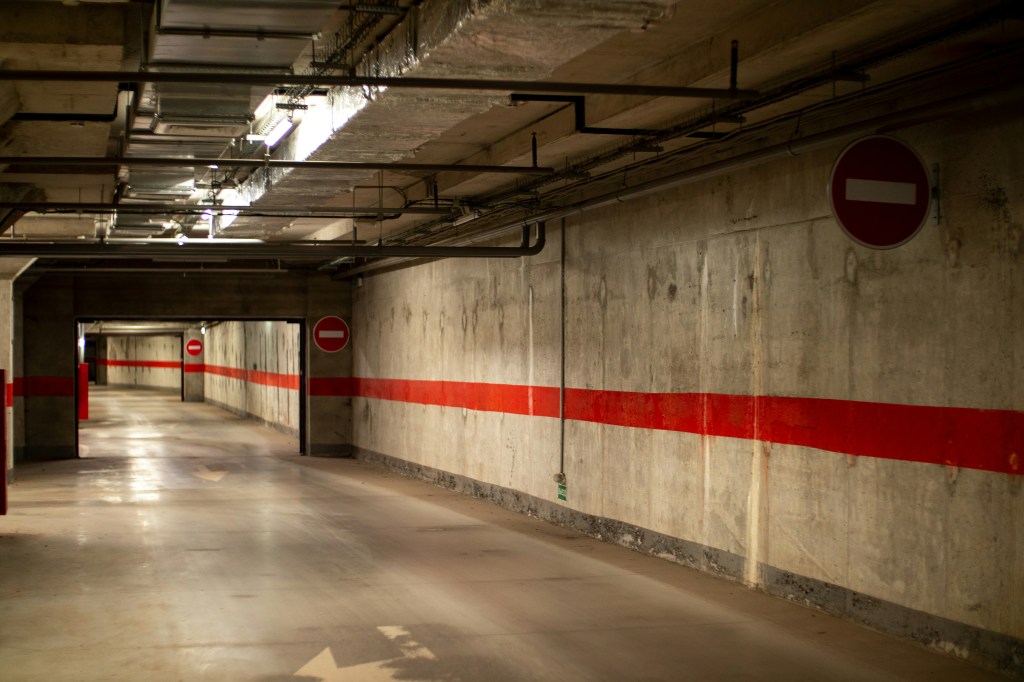
The service tunnels beneath Wembley were a labyrinth of concrete arteries — narrow, echoing, and dimly lit. Jake moved with practised silence, his Glock holstered but ready, a compact thermal scanner in his left hand. The air was thick with the scent of damp concrete and old oil.
“East Tunnel’s clear,” Emma’s voice crackled in his earpiece. “But I’ve got something odd. Maintenance locker 12B — the lock’s been tampered with.”
Jake paused at a junction, checking the map on his tablet. “That’s two levels below the pitch. Right under the players’ tunnel.”
“Exactly. I’m heading down now.”
“No. Hold position. I’m closer.”
He turned down a side corridor, boots muffled by the rubberised flooring. The silence was oppressive, broken only by the distant hum of generators and the occasional drip of condensation. As he approached 12B, he slowed, crouching low. The lock was indeed scratched — not broken, but clearly forced open and resecured.
He drew his weapon.
With a practised flick, he popped the latch and swung the door open.
Inside, the locker was empty — almost. A faint chemical smell lingered in the air. On the floor, a small black case sat open, its foam interior shaped to hold cylindrical objects. Explosives. Gone now.
Jake’s pulse quickened. “Emma, we’ve got a problem. Someone’s already moved the payload.”
A pause. Then: “Jake… I’ve got movement. North stairwell. Two individuals, no uniforms, carrying a duffel. Heading toward the broadcast suite.”
Jake was already moving. “Keep eyes on them. I’ll intercept from the west corridor.”
As he sprinted through the tunnels, the implications hit him. The broadcast suite overlooked the entire stadium. If they planted the device there, it wouldn’t just be about casualties — it would be about spectacle. A message.
And MI5 had five days to decode it.
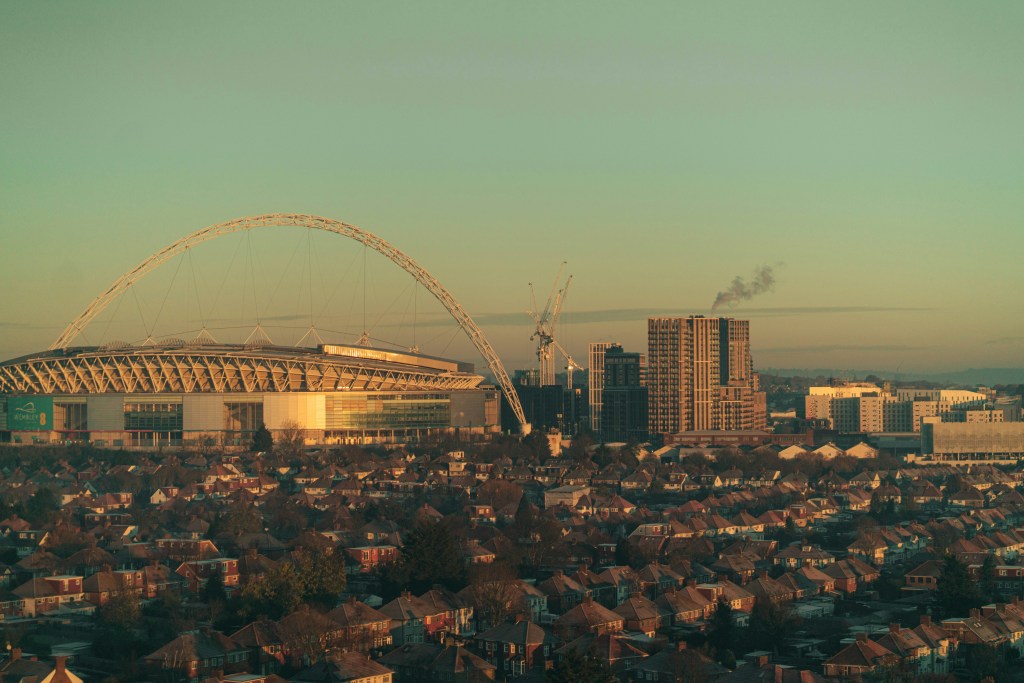

 In the heart of London - Surveillance at a glance...
Leave a comment